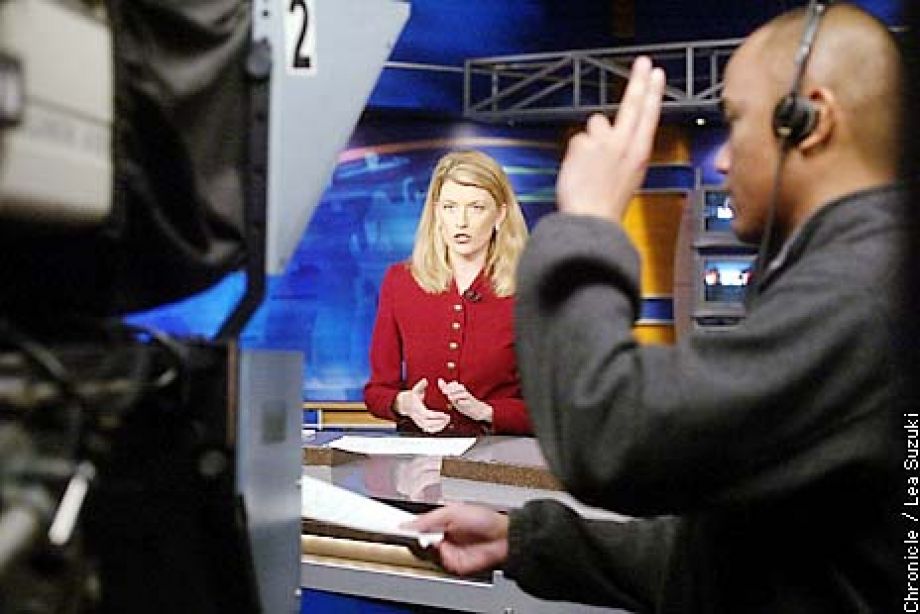
 A journalist friend and I were watching the TV news and after a chirpy, happy report the comment was, “Well, the plow doesn’t go into the ground very deep.” I snorted into my micro-brew and chewed on the evolution of news.
My first news director tossed the state budget at me and told me to find three good stories we could cover that week. These were the days before the internet, even before computers. We had to read through pages of coma-inducing text to find interesting nuggets, prepare a brief on the story with pro and con sources and propose visuals to film. Did you notice I said film instead of video? Look it up on Wikipedia.
My first producer had a rule: 1:15 for any story (including the anchor’s lead in). I would come back to the newsroom begging for an extra 10-seconds and he would look up at me from his manual typewriter and say “Did anyone die?” No I would answer. “Big. You have 1:15 and don’t go over.” It forced brevity.
When I started in TV news, all reporters needed to understand the legislative process, how the state house worked, how the city council proposed ordinances and how the county board intersected with the council. We needed a functional knowledge of the courts and an excellent knowledge of journalist’s rights in the courtroom.
Most of today’s local reporters don’t do a deep dive in civics—and I’m not certain it’s their fault. Local news departments are chasing content for a shrinking news hole. Cable stations tip the scale in the opposite direction airing mind-numbing interviews that present opinion as fact. And all of us want more news about the weather.
I’d like to blame “Entertainment Tonight.” We are bombed by celebrity news, live shots, and stories that don’t last longer than a sneeze. Our nation of terminally ADD citizens looks for clarity in 140 words, but some issues can’t be explained in a tweet. Budgets and legislation WILL affect your life, but do you blame the media then never search out the facts for yourself?
If you want an issue or an event covered, you may be working with a reporter who has done little research and has to cover multiple stories in one day.
With luck, one of those stories might get 1:30, but cut down to :40 for the late news. Can you communicate the benefit of your product or service in two minutes let alone 40 seconds? Think about how long a local news story will be when it’s in finished form and challenge yourself to communicate with brevity and impact. Oh yeah, and don’t forget to be creative.
If you’re interested, find me at mkathrynschmidt@gmail.com.

 Schmidtcomm's Blog