 What’s the biggest sale you can think of?
Black Friday? No.
Day after Christmas? Nope.
Back to School? Wrong.
It’s elections.
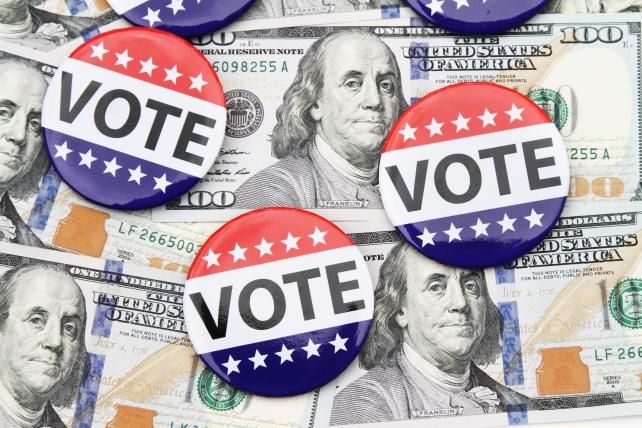
Candidates and special interest groups have only one day to determine who wins the big prize (Ok, there is advance voting, but you get the picture). In the lead up to that one day, there are more ads running than any of the aforementioned retail sales and the biggest platform is television. Based on recent reports, Wisconsin races have spent more money than any other state to get you to take action on November 8.
A new study by the Wesleyan Media Project, shows the races for governor and U.S. Senate have resulted in 24,000 ad airings statewide in just two weeks. It’s estimated Gov. Tony Evers and challenger Tim Michels have spent $55 million to get their next job. In the senate race both Ron Johnson and Mandela Barnes have dropped $89 million since the August primary.
And it all comes down to a federal law from 1934.
TV stations cannot refuse political advertising and must allow “reasonable access” to legally qualified candidates. If they refuse the ads, they run the risk of losing their broadcast licenses. Further, stations have to give the candidates the lowest rates on their advertising rate cards, but as commercial availability tightens the closer we get to elections, the volume of the ads climbs.
The Communications Act of 1934 lays this all out if you’re interested. In 1934 it focused on radio, but the Federal Communications Commission fleshed out the rules for television, then cable, then satellite.
For everyone who says legacy media is dead and digital platforms are dealing the fatal blow, just turn on the TV. Television still delivers a high-volume, broad-based audience and local news can still be considered “appointment viewing.” So suck it up and stay tuned until November 9 when the ads may stop, but the revenues keep rolling in for the local market stations.
 Schmidtcomm's Blog