Attention PR Skeptics: read this!

HCBBIf you think PR is a warm, fuzzy effort that you can do without, read what just happened this morning.

My brother is a partner in Healthcare Bluebook, a company founded on transparency. It functions much like the Kelly Bluebook used by car buyers for decades: the firm combines cost and quality data to provide consumers with price ranges for typical health costs by market. Want to know the going rate for a laparoscopic hysterectomy in Green Bay? The website healthcarebluebook.com will give you an average fair price and allow you to drill down into the details. Finally, consumers know what a medical adventure could cost.

This morning, the TODAY Show did a segment on “knowing your health care costs” and mentioned Healthcare Bluebook. It was about 15 seconds of content and was wrapped in with other consumer information, but it was succinct and informational. I stopped my workout and applauded my brother’s PR team, then immediately texted him.

His response: they didn’t know why there was a huge spike in traffic on their website. The segment ran just before 8 am, but the spike continued.

For those of you who think PR has no bottom line value, this 15 second mention drove consumers to his website to learn more. Consumers made the decision to seek out valuable content and hopefully engaged with the website for a period of time. Did this happen overnight? No. Meaningful press coverage is the result of a great idea, tailoring an existing message to a journalist’s audience, connecting with producers to pitch a relevant story and follow up, follow up, follow up. That 15 seconds could drive more eyeballs to your website than any one ad, but it requires planning and establishing relationships with real journalists.

My brother’s firm has an excellent PR team that has been with them since their inception. They are part of the strategic group and have developed a communications strategy hand in hand with the business strategy. This is a critical element of success because it allows the PR team to be responsive and flexible with the media, yet manintain a consistent message that upholds the organization’s mission. As a result, Healthcare Bluebook has been featured in national business publications, major U.S. daily newspapers and the holy grail of business journalism, the Wall St. Journal. For millenials out there, the content was also on the digital platforms!

billyMeet my brother, Bill Kampine. He is co-founder and senior vice president for Healthcare Bluebook and I am off the charts proud of him!

If you’re interested, find me at mkathrynschmidt@gmail.com.
I’ll give you a minute-15 for that story

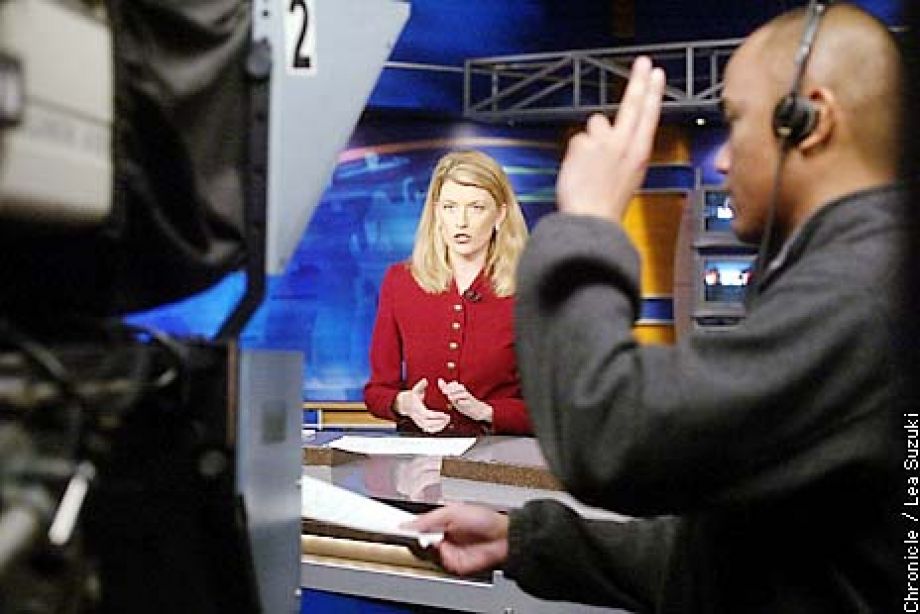
tv countdownA journalist friend and I were watching the TV news and after a chirpy, happy report the comment was, “Well, the plow doesn’t go into the ground very deep.” I snorted into my micro-brew and chewed on the evolution of news.

My first news director tossed the state budget at me and told me to find three good stories we could cover that week. These were the days before the internet, even before computers. We had to read through pages of coma-inducing text to find interesting nuggets, prepare a brief on the story with pro and con sources and propose visuals to film. Did you notice I said film instead of video? Look it up on Wikipedia.

My first producer had a rule: 1:15 for any story (including the anchor’s lead in). I would come back to the newsroom begging for an extra 10-seconds and he would look up at me from his manual typewriter and say “Did anyone die?” No I would answer. “Big. You have 1:15 and don’t go over.” It forced brevity.

When I started in TV news, all reporters needed to understand the legislative process, how the state house worked, how the city council proposed ordinances and how the county board intersected with the council. We needed a functional knowledge of the courts and an excellent knowledge of journalist’s rights in the courtroom.

Most of today’s local reporters don’t do a deep dive in civics—and I’m not certain it’s their fault. Local news departments are chasing content for a shrinking news hole. Cable stations tip the scale in the opposite direction airing mind-numbing interviews that present opinion as fact. And all of us want more news about the weather.

I’d like to blame “Entertainment Tonight.” We are bombed by celebrity news, live shots, and stories that don’t last longer than a sneeze. Our nation of terminally ADD citizens looks for clarity in 140 words, but some issues can’t be explained in a tweet. Budgets and legislation WILL affect your life, but do you blame the media then never search out the facts for yourself?

If you want an issue or an event covered, you may be working with a reporter who has done little research and has to cover multiple stories in one day.

With luck, one of those stories might get 1:30, but cut down to :40 for the late news. Can you communicate the benefit of your product or service in two minutes let alone 40 seconds? Think about how long a local news story will be when it’s in finished form and challenge yourself to communicate with brevity and impact. Oh yeah, and don’t forget to be creative.

If you’re interested, find me at mkathrynschmidt@gmail.com.

TAKE YOUR BEST SHOT

The happy morning news anchors greeted me with this headline: “Shots fired in Green Bay.” Now that’ll make you sit up. Where? Who? Was it a school? I flipped to another station and got the grave headline: “Shooting on campus.” Which campus? Spousal Unit tuned the kitchen radio into the all-news station but all we got was “Shooting in Green Bay.”

The anchors reported that information was still coming in, police reports were not updated, reporters were en route to the scene, more information would be available shortly, we’ll keep you informed, and on and on…

Several hours later I learned the “shooting” was actually three shots fired. The incident was not on a school campus but on the east side of the city near the University campus. As for the immediacy, it happened overnight.

The producers and writers did their jobs well this morning. The headline “Shots fired in Green Bay” made my heart beat faster. Had they used the more accurate headline “Shots fired near University overnight,” I would have realized the incident was not ongoing,

When there’s breaking news at your business or organization, keep this in mind.

It might be a dumpster fire but it could be reported like this: “Rescue units and a tanker truck were called out overnight to a fire at XYZ Company…”

Is this wrong or misleading? Nope—and I would do the same thing if I were still working in a newsroom.

You owe it to yourself, your employees and your customers to learn how news is communicated and why reporters and editors do what they do. Before you see it posted on Facebook.

If you’re interested, find me at mkathrynschmidt@gmail.com.