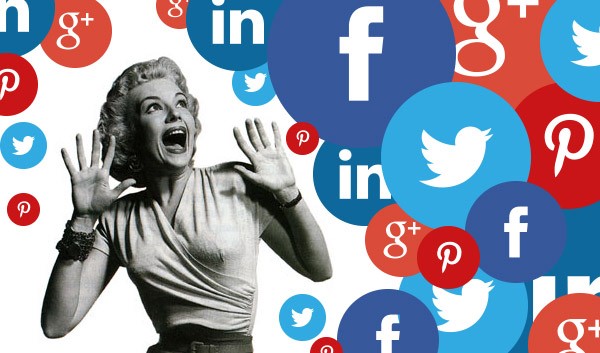
 There’s no cure. There’s no vaccination. There are no protective measures—short of unplugging.
I’ve been asked by my clients why the media is in a feeding frenzy over COVID-19 and it all boils down to click bait. Editors are crafting tittilating headlines and updates to get you to click on a tweet that takes you to their website. It’s all about social media hits, web traffic and trending topics—editorial judgement be damned.
And it all starts at the top—networks and legacy journalism platforms are feeding the fever. This morning the first 15 minutes of the network news was pandemic centered, and in broadcast news 15 minutes is an eternity. Then it trickles down to local media outlets who are scouring their markets for people related to those in quarantine, residents cancelling cruises, businesses grounding their workforce, and schools shutting down.
Why? A few reasons:
- Consumers have a 140-character attention span. If a news story requires you to invest time to read, understand, and contemplate content, it won’t make the editorial cut. A school referendum will have more long-range consequences for a community, but tax levies can be complicated and few reporters have the creativity to actually tell a story (Storytelling: the new buzz of 2020 that’s actually been around for decades in newsrooms). It’s easier to click on a headline about cancelling cruises than read about how schools are funded.
- Fear is sexy. When media outlets leave with you with more questions than answers, you will access their platforms more frequently to stay updated.
- Editorial judgement has been replaced by trending stories. Editorial judgment means experienced journalists would consider all the issues on any one day, then select those that had the biggest impact on their audience, the potential for future impact, or topics that were unusual (read “man bites dog). Now, content editors first check social media for trending topics and use that to guide how stories are selected and which ones get the most play. The social media habits of people clicking on the Kardashians are influencing what is “news” in our local communities.
I would never advocate ignoring social platforms as communications channels—they are here to stay just as TV was in the 1950s. But somewhere in this frenzy perhaps objective reporting could give us a wider perspective. Perhaps editorial staffs could remember that citizens learn little if all media does is parrot the flavor of the day.
Perhaps the best news out of this issue is the federal government may delay April 15 tax filings. Think that’ll make the Twitter feed?


 Schmidtcomm's Blog