YOU HAVE BREAST CANCER.

It was this time of year 25 years ago that I heard those words. It was unreal–I had just turned 40 and was in good health so how could I have cancer? One of the primary reasons they found it was at age 35 I insisted on a baseline mammogram which was unheard of then. I was told insurance wouldn’t cover it, there was no need because of my age, and I had dense breast tissue so it would be difficult to find anything—but I told them all to stuff it and had the mammo. Thanks to that baseline, the doc could see the changes in the tissue just five years later.

The doc told me it was caught early, I was lucky, and I would have a full recovery. The doc also told me the surefire “cure” was a complete mastectomy. I looked at him and said, “How would you like it if someone told you to cut off your weenie?” I told him I had at least 20 years of killer dresses ahead of me and I was getting a second opinion.

After a trip to Milwaukee, I learned a lumpectomy and a five-year course of tamoxifen was an option and we took that choice.

I completely underestimated the post-surgical effects of the whole adventure. I was wiped out. The damn drain was more pain than the incision. Tamoxifen was a miracle but it plunged me into early menopause. I couldn’t concentrate. My hormones went on a roller coaster ride and I was nuts.

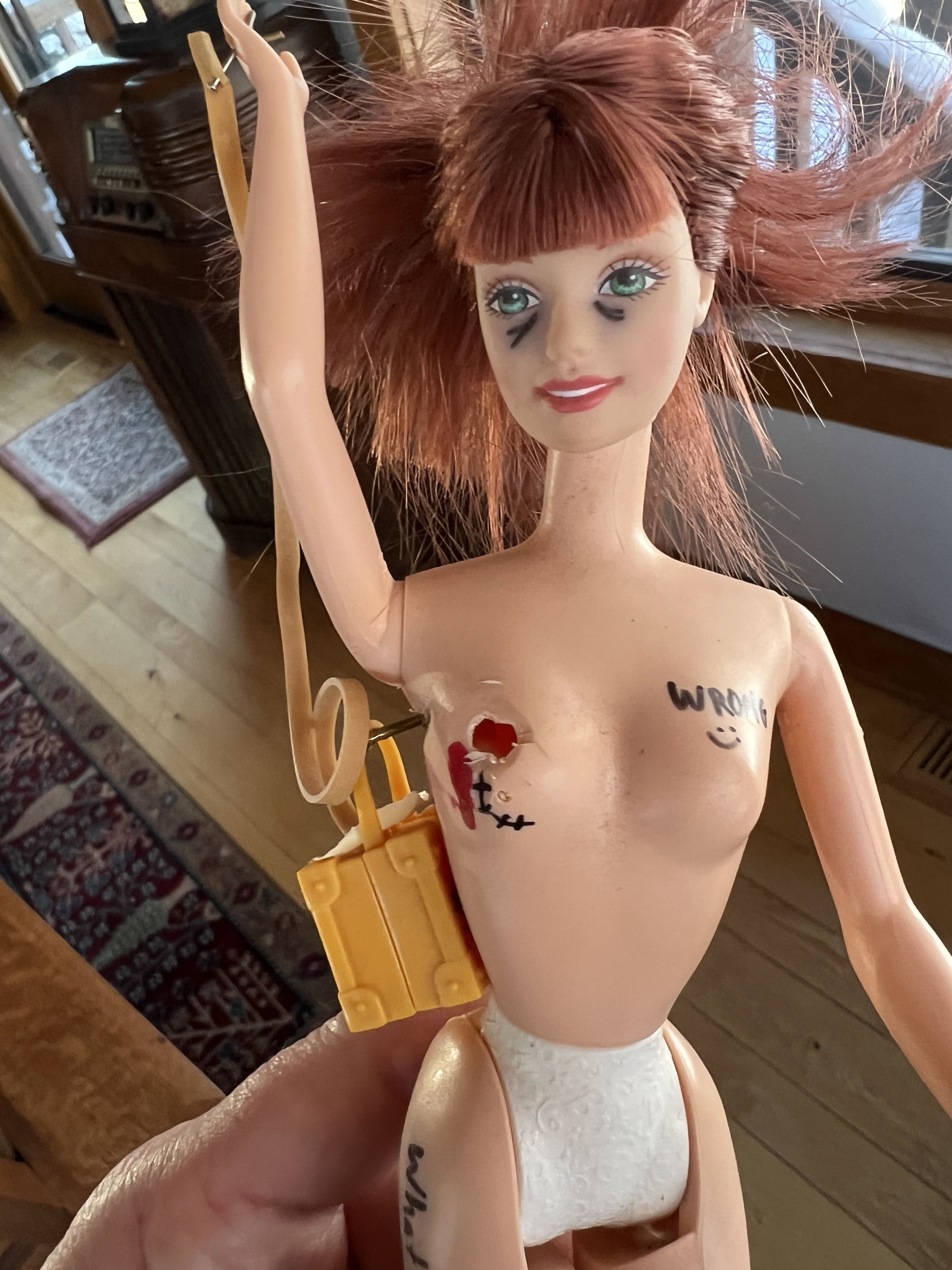
Why recall all of this now? Because the other day I found Breast Cancer Barbie in a cabinet. She was my therapy made at the kitchen table over several bottles of wine with friends. We hacked up her boob, used nail polish for blood, even used her spiffy purse for a makeshift drain, and tattooed my feelings all over her.

I felt much better after defacing a beauty icon like Barbie. I took her to a follow up appointment to show my surgeon and while I was laughing my head off, he was not amused. A serious guy, he concentrated on the physical issues and ignored the mental game of mutilating my decolletage. Men.
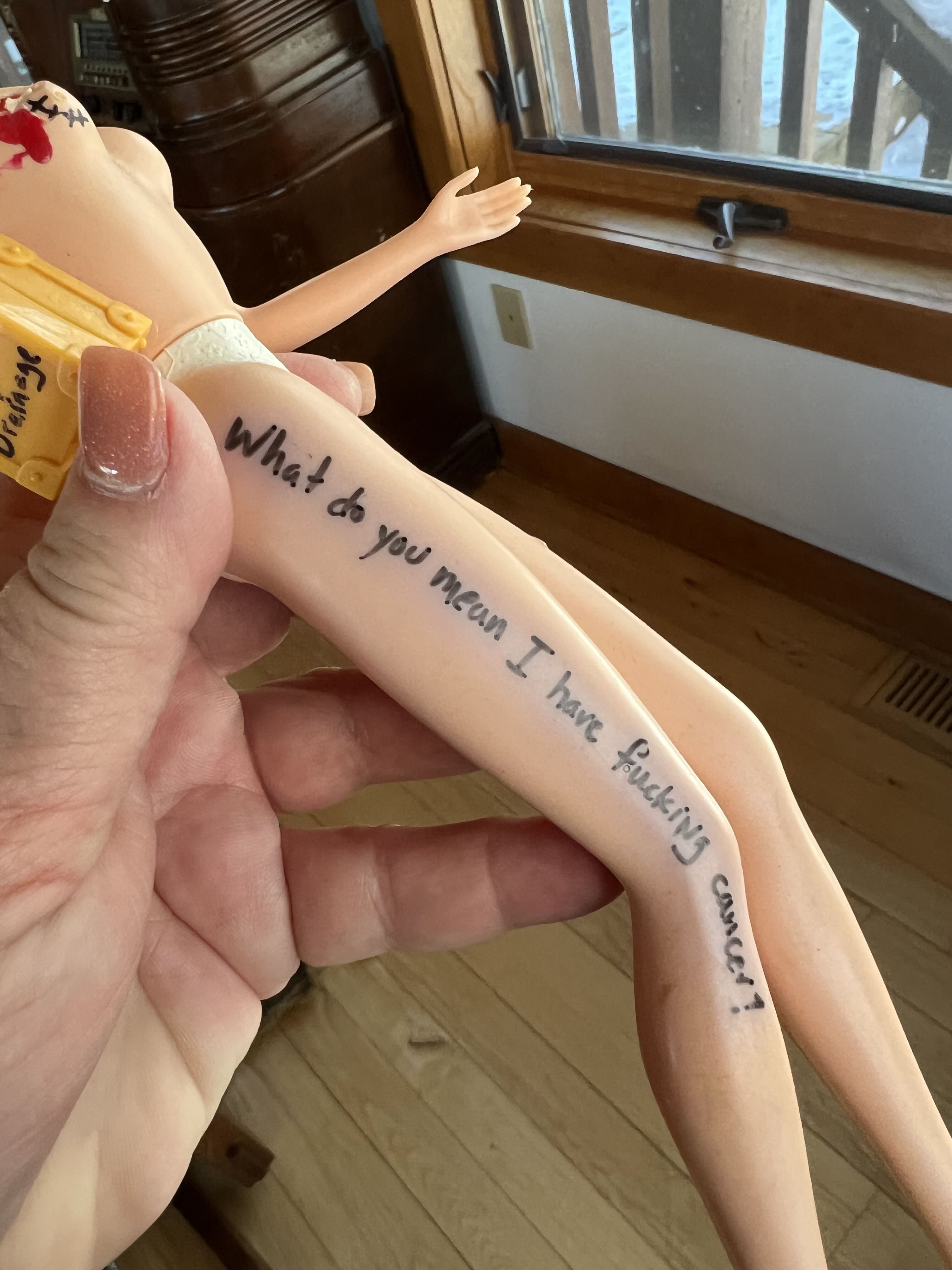
Breast Cancer Barbie reinforces so many things for me. Number one: be assertive about your medical care. Listen to your instinct and question authority to find the best course of treatment and if that means second or third opinions, do it. Number two: Laughing helps. Sometimes things are just so overwhelming the only thing that buffers reality is humor. Number three: you’re in it for the long haul. Over the decades I’ve held hands, mixed drinks, and just listened to many women in the same position I was. Every time brings back the fear and the pain, but every time we hope for a good outcome.

And every time, I bring out Breast Cancer Barbie for a good laugh.
Celebrating 20 years!

This is a day to celebrate! 20 years ago, I hung out my own shingle with a goal to focus on public relations and media work. At that time, daily newspapers were still healthy and it was before Instagram, TikTok, Facebook ads, and the same year YouTube was launched.

I soon learned that my services were not about what I thought I wanted to do, but all about what the client needed. Some needed a marketing director for hire, some needed a seasoned pro to teach their new staffers, some needed content creation, some needed video work, some needed media buying, and of course many needed PR.

When I started in communications, I was a reporter editing film stories at WISC TV in Madison. The anchorman at the time taught me how to tell a story in the least amount of time and still grab a viewers’ attention. The news director and assignment editor were patient with me after I shot WAY too much film during floor debate in the state assembly.

After meeting my future husband, I got a job as a news producer at WLUK TV in Green Bay where the industry was transitioning from film to video. Producing a live TV newscast teaches you everything about teamwork, creativity, speed, accuracy, relationships, and when to fall back on the old ways because the new-fangled stuff didn’t work.

Over the next years I had jobs as a writer, reporter, editor, producer, media buyer, account manager, pr director, mar/comm director, managing in-house agencies, and working in ad agencies. The catalyst to opening my own business was getting fired—that’s when I decided that I knew as much about the business as the people who would hire me.

There are so many people to thank over the last two decades and in doing so I will certainly omit someone, but here goes. Huge thanks to Paula Wydeven who was then at The Boldt Company, Amy Pietsch with the entrepreneur training program at FVTC, Donna Gehl at Image Studios, Sara Timm, too many nonprofits to mention, and thanks to my husband for carrying the insurance and all those necessary, boring things!

Finally, thanks to my clients—I love working with all of you and I have no plans to retire. After transitioning from film to video to digital, one thing is certain–no matter the time or technology: Schmidt Happens.

Who’s afraid to vote?

It’s hard to believe people are afraid to say who they support in a political race—but that’s actually the case. I recently had the chance to meet with some very committed people who are resurrecting the local Democratic Party in a largely rural area. They wanted advice on how to communicate with voters, what platforms will help them get their message out, and what should be their priorities as we approach November 5. One of their biggest challenges is getting people to put up a yard sign, host a meeting, knock on doors, even just engage others in a chat–because they are afraid.

They’re afraid of conflict, afraid of being put on the defensive, afraid of disagreement, afraid of angering neighbors, and I can relate. I have many friends I respect who are smart and hardworking, but I’m hesitant to tell them that I don’t agree with their support of certain candidates. I’m not a political iconoclast, but we are in a highly charged environment.

The men who established this country did the most important thing by making the First Amendment the FIRST amendment:

Congress shall make no law respecting an establishment of religion, or prohibiting the free exercise thereof; or abridging the freedom of speech, or of the press; or the right of the people peaceably to assemble, and to petition the Government for a redress of grievances.

Certainly, freedom of speech should be done with respect and the ability to learn and understand. But that’s not the case. The truth is if you live in MAGA-land you are afraid to say you don’t support Trump because of the vitriol and anger fostered by the candidate and his surrogates.

If you are a student of American history, this isn’t the first time we’ve had presidents or presidential candidates who have been liars, corrupt, impeached, and convicted of crimes. But this is the first time social media has amplified the situation and given every citizen (no matter how well or poorly informed they are) a platform for free speech. James Buchanan is ranked one of the worst presidents ever, but in 1857 only white, male, landowners could vote. And the only media available at the time were newspapers if your city even had one.  Incidentally, Donald Trump is #3 on the list and I find it curious that Richard Nixon didn’t even make the top 10 (he’s #14).

For the record, I will be supporting Kamala Harris because for me leadership is linked with personal integrity. It’s a shame the GOP has been replaced with the cult of Donald Trump which makes any candidate “endorsed by Donald Trump” questionable. I’m a bit afraid to state this on a public platform, but I hope civility will rule.

Courage to be Dan Rather

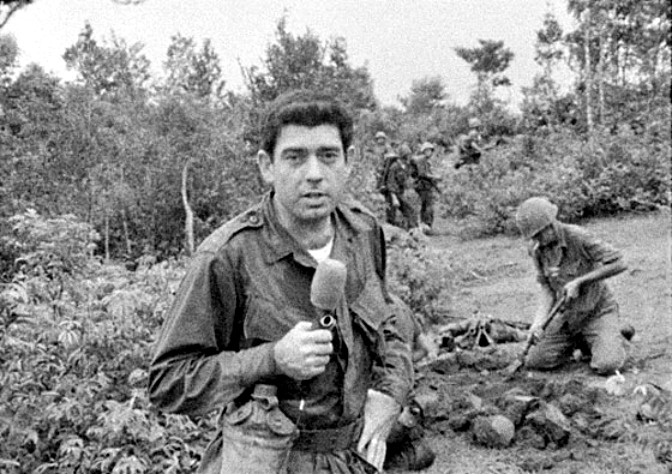
This post is for all you under 40 PR/comm types out there. When I was growing up, the Vietnam War played nightly on Walter Cronkite. Then, Watergate was the top story that consumed the national discussion. Through it all, Dan Rather was on location or in the anchor chair. Remember this was before cell phones and the internet gave us a 24/7 news cycle and people actually stopped what they were doing to watch the evening news.

For those of you who live and die by the feed on your cell phones, this was important because what happened on the evening news was a shared experience. It’s how we were updated on that day’s news, then we read the details in the next days’ newspaper (remember newspapers?). No Twitter postings* from un-vetted “news sources” or opinion leaders who might or might not have all the facts. It was widely regarded as objective reporting from trained journalists.

So why care? Do yourself a favor and watch the documentary Rather. Go ahead and make fun of Dan Rather for his good looks, his stupid sign off (Courage), or his epic mistake and departure from CBS…but this was the peak of TV journalism. And the guy is 92 and still in the game posting coherent comments on Twitter and other platforms. I love a second act.

Watergate, Woodward/Bernstein, and the aftermath made me want to be a journalist. Dan Rather’s documentary shows how TV journalism was before cell phones made everyone an alleged reporter. Watch it.

*I will NEVER call Twitter “X” because it’s just stupid.

This post was NOT written by ChatGPT

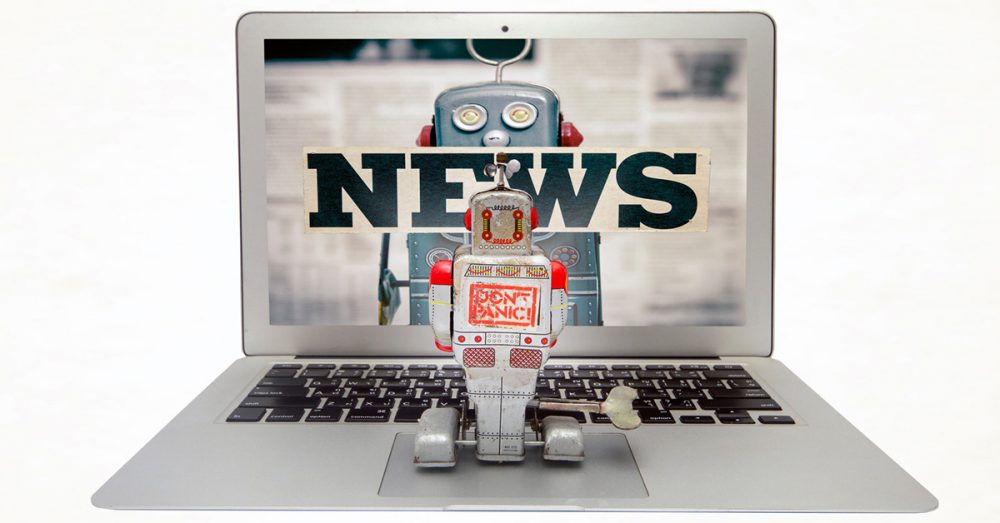
Over the last few months, I’ve been experimenting with ChatGPT. I even asked it to write this article about how journalists could use ChatGPT and it spewed out 437 words on how it was a tool that could sift through vast amounts of information to uncover the truth. It even created fake story lines about make-believe journalists who used it to report stories that never happened. In short, a fairy tale.

Artificial Intelligence and ChatGPT learn grammar, syntax, semantics, and even some level of reasoning and context to mimic human speech and communications. They suck up existing information on the internet and regurgitate it according to the question you pose.

And we all know information on the internet is true, don’t we?

If there’s a data void, ChatGPT will usually not answer a question by saying it does not know the answer, but it will make up an answer. Unless you are extremely specific—I asked it “what is the future of land use in Cooperstown, Wisconsin” and it did reply As of my last update, I don’t have access to information about the specific future developments or plans for land use in Cooperstown, WI.

The reality is most journalists are in the business of reporting new information (hence the term “news”). If they’re local reporters, chances are the internet data dump does not have the latest info on the workings of a local school board or a common council or a court proceeding.

So will ChatGPT supplant local journalism? The reality is scooping information off the internet cannot be trusted. We will still need reporters and editors to vet information, double check sources, or to present the human impact of the news.

Just ask ChatGPT—it’ll tell you that AI models “may not be able to fully replace local news.” At least that much is true.

Tik Tok Boom.

This is the day I shake my head and graduate to full-on old fogie. Read this report by Reuters (a trusted, legacy media source) about how a growing number of young people are turning to TikTok for news and information. The platform launched by the Chinese company Bytedance has graduated from dancing videos to delivering the news and, as one user reported, “…where it lacks in trustworthiness, it excels in presentation.”

Ok, all together now: face palm.

Why should you care? Because tomorrow’s voters and tomorrow’s wage earners are getting “news” that is increasingly created by individuals and organizations that have a high potential for dis- and misinformation. Never mind that venerable organizations like the BBC, the Washington Post, and the 4-Cs (ABC, NBC, CBS, CNN) have all entered the fray, it’s the creators who are not journalists that should make you cringe.

“…others fear that the ‘TikTok-ification of news’ risks trivialising important stories as well as undermining business models that depend on referral traffic from social networks.”

Journalists are trained to present information in a vetted, objective format. There’s a certain trust that legacy media outlets are telling the truth and have checked their sources. Unfortunately, other producers on TikTok are masquerading as real, live reporters.

I’m not proposing that all journalists are trustworthy, but repeated surveys by Reuters, the Pew Center for Journalism, and other platforms regularly rate the bias of legacy news organizations. You’d be surprised to learn that most well-known outlets are ranked in the middle of the pack in terms of bias.

That’s why they’re looking for fresh, young content creators to bend the rules of journalism in a balance between objective reporting and humor-filled TikTok reels. Fifty years ago, television was the new medium hiring journalists who actually looked attractive to deliver news on the air. Broadcasters were criticized for hiring pretty people to deliver the news. Now hoodie-wearing millennials are cheerfully presenting information to attract the elusive  younger market—a market that is increasingly more difficult to target.

TikTok as a news platform? Where’s that “freedom of the press thing” in China?

If you’re interested, find me at mkathrynschmidt@gmail.com.

PR is not about manipulating the truth

According to a new survey, the average person admits to lying four times a day. People who responded to the survey also reported they thought someone lies to them six times a day.  The survey was commissioned by the Online Betting Guide, but it could have easily been commissioned by a journalism school, a media platform, or a political consultant.

Journalists wade through hundreds of press releases daily, quickly deleting those that are obvious lies, puffery, or just hard to believe. Add to that the dozens of opinion shows on broadcast TV, radio, or the internet that massage the truth and I’m surprised the lies are only four times a day. As a result, most experienced journalists have a healthy B.S. detector and are experts at figuring out where the nuggets of truth lie.

If you’re considering launching a public relations program for your company or organization, understand that intentionally telling half-truths will get you nowhere. In my practice, I’ve had to counsel well-meaning executives that if they cannot tell the truth, say nothing. Certainly, you shouldn’t reveal proprietary information, give out personal information about team members or business partners, or jeopardize a product introduction—but truth is always the best approach.

And if you can’t say anything nice, come sit by me and I’ll figure out the best truths about your business, organization, or mission.

If you’re interested, find me at mkathrynschmidt@gmail.com.

SALE! Your next elected official

What’s the biggest sale you can think of?

Black Friday? No.

Day after Christmas? Nope.

Back to School? Wrong.

It’s elections.

Candidates and special interest groups have only one day to determine who wins the big prize (Ok, there is advance voting, but you get the picture). In the lead up to that one day, there are more ads running than any of the aforementioned retail sales and the biggest platform is television. Based on recent reports, Wisconsin races have spent more money than any other state to get you to take action on November 8.

A new study by the Wesleyan Media Project, shows the races for governor and U.S. Senate have resulted in 24,000 ad airings statewide in just two weeks. It’s estimated Gov. Tony Evers and challenger Tim Michels have spent $55 million to get their next job. In the senate race both Ron Johnson and Mandela Barnes have dropped $89 million since the August primary.

And it all comes down to a federal law from 1934.

TV stations cannot refuse political advertising and must allow “reasonable access” to legally qualified candidates. If they refuse the ads, they run the risk of losing their broadcast licenses. Further, stations have to give the candidates the lowest rates on their advertising rate cards, but as commercial availability tightens the closer we get to elections, the volume of the ads climbs.

The Communications Act of 1934 lays this all out if you’re interested. In 1934 it focused on radio, but the Federal Communications Commission fleshed out the rules for television, then cable, then satellite.

For everyone who says legacy media is dead and digital platforms are dealing the fatal blow, just turn on the TV. Television still delivers a high-volume, broad-based audience and local news can still be considered “appointment viewing.” So suck it up and stay tuned until November 9 when the ads may stop, but the revenues keep rolling in for the local market stations.

Print media: to profit or non-profit?

Legacy media is changing faster than you can say “OK, Boomer.”

I’m old enough to remember when the shift from paper journalism to televised journalism signaled the death of the printed newspaper, which didn’t really happen. It changed how editors made news decisions, but didn’t obliterate print. I remember a TV news director telling me early in my career that we were tasked with explaining what is happening right now and the paper would fill in the details.

Now, many broadcast and social sites have more news gathering resources at their disposal than print platforms.

Many of my friends who have 20, 30, even 40 years as print journalists have already turned to the dark side of PR and marketing. I say dark side because many experienced journalists would turn their nose up at these career moves and regarded them as selling out. As print newsrooms across the country are gutted, the concept of “selling out” looks attractive when it comes with a dependable paycheck and benefits.

So what’s next for a medium that has been around since Gutenberg pressed ink into vellum?

Models of a non-profit approach to print journalism are being deployed in several communities. Much like public radio, these platforms use a hybrid of donations and advertising generated revenue to underwrite their efforts. (I get it, advertising is really sponsorships but it’s essentially the same.) One such example is the American Journalism Project which makes grants to non-profit organizations that are launching mission-based newsrooms with a focus on local reporting. https://www.theajp.org/why-local-news/

Most major news gathering outlets focus on national or international topics. Reporting on school boards, city councils, highway departments, or planning commissions is boring stuff. Unfortunately these are the topics that directly affect our daily lives. As we’ve seen with recent protests at school board meetings, these are the organizations that impact our kids and our communities.

What would happen if this level of reporting dissolves? It means that we either take the initiative to attend those plan commission meetings as interested citizens, or we look for journalists to be our eyes and ears.

Take a minute and look at what the American Journalism Project is doing–and remember that a free press is really no longer free.

Before Fake News there was Breaking News

20 years ago we were getting ready for a busy day. My husband was working out in the basement, I was getting ready for a video production session, and the dogs needed breakfast.

When the first plane hit, we thought it was an accident. When the second plane hit and video images were on every channel we knew it was more. My husband is a working journalist and I’m a former reporter, so we instantly were monitoring several channels on different TVs. Remember, this was before Facebook and social media were ubiquitous.  

I clearly remember saying to him “you better get into the shower because I think you’re going to have to go in early to the station.”  Only minutes later the news director called back and asked him to come into work as soon as possible. That was the start of a marathon news cycle that lasted weeks.

That week, journalists in our region worked endless hours to report how the tragedy was affecting Northeast Wisconsin. Stories on loved ones who were stranded overseas when air travel stopped. Stories about emergency response teams from our area going to New York. Stories about families with active duty military who had no idea what would happen next. Stories about the virtual halt in business in different sectors of the economy.

My friends in the media were burnt out in a matter of days and many needed to unplug and recharge their internal batteries. Most of what journalists do on a daily basis is mundane—government meetings, police blotter reports, a fire, or a business report. But at this time, everything was breaking news.

Today the media is lambasted regularly as being purveyors of fake news or biased reporting. But at that time, the media was working overtime to check facts, get the most updated information, and share stories with a very frightened nation. The possibility of war was real, and the fatigue and stress of the news showed on the reporters and anchors.

I’ve always said live TV is akin to the operating room or a police scene—anything and everything can happen with no warning. At this time it did and even local journalists had a front seat to history.